
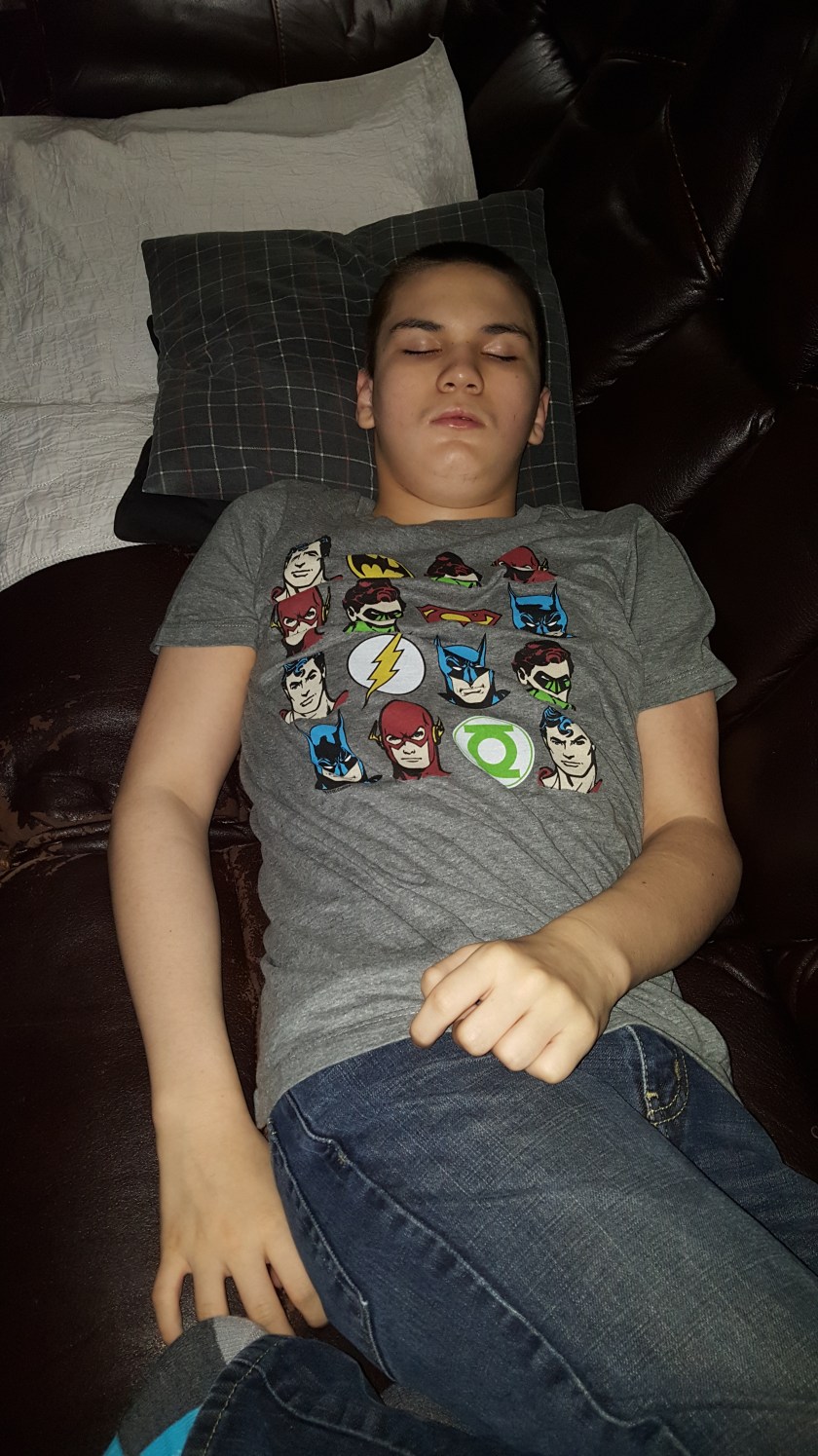
He is looking to grown up. He’s not my little baby no more. He is so handsome. look at his mustache and chin hairs. Miss my baby. He has been doing good here lately. Superman has not been having that many seizures.

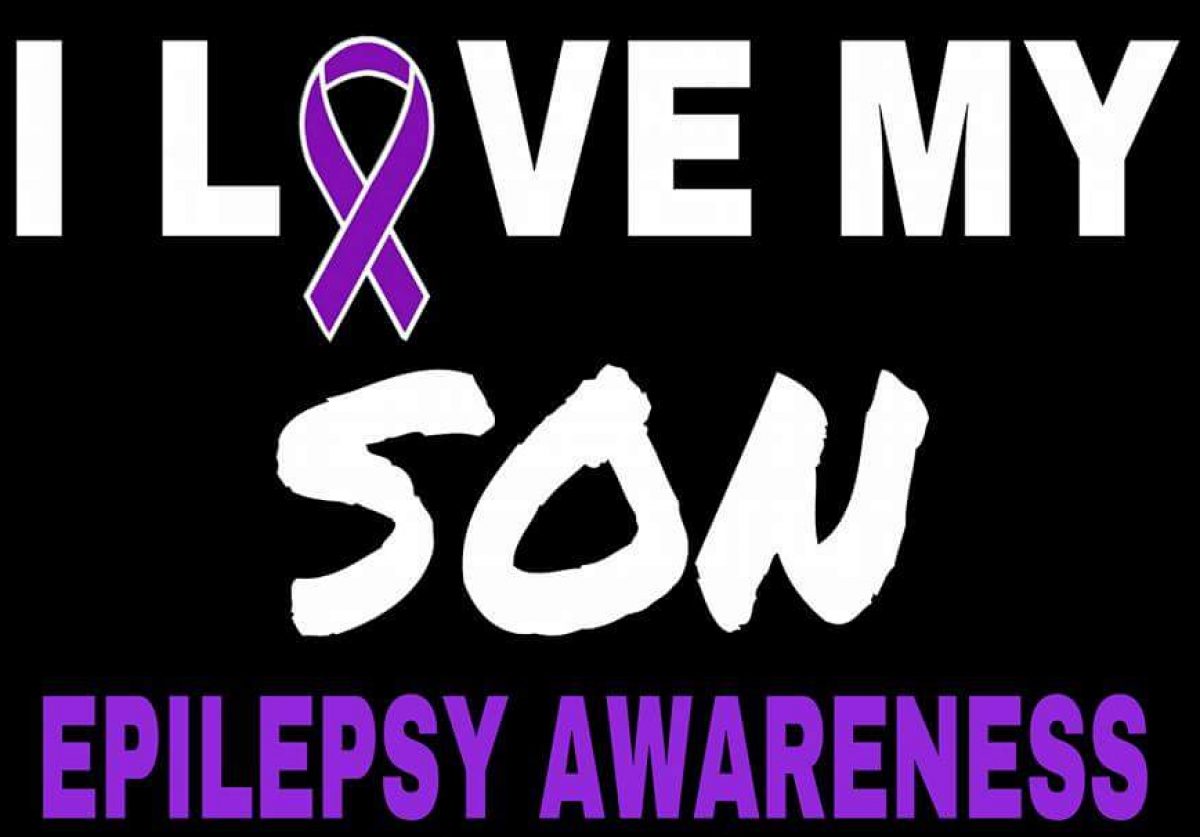
He is looking to grown up. He’s not my little baby no more. He is so handsome. look at his mustache and chin hairs. Miss my baby. He has been doing good here lately. Superman has not been having that many seizures.


Dylan earned these shoes by walking all year in gym class. The book was from a lady that works at the school!!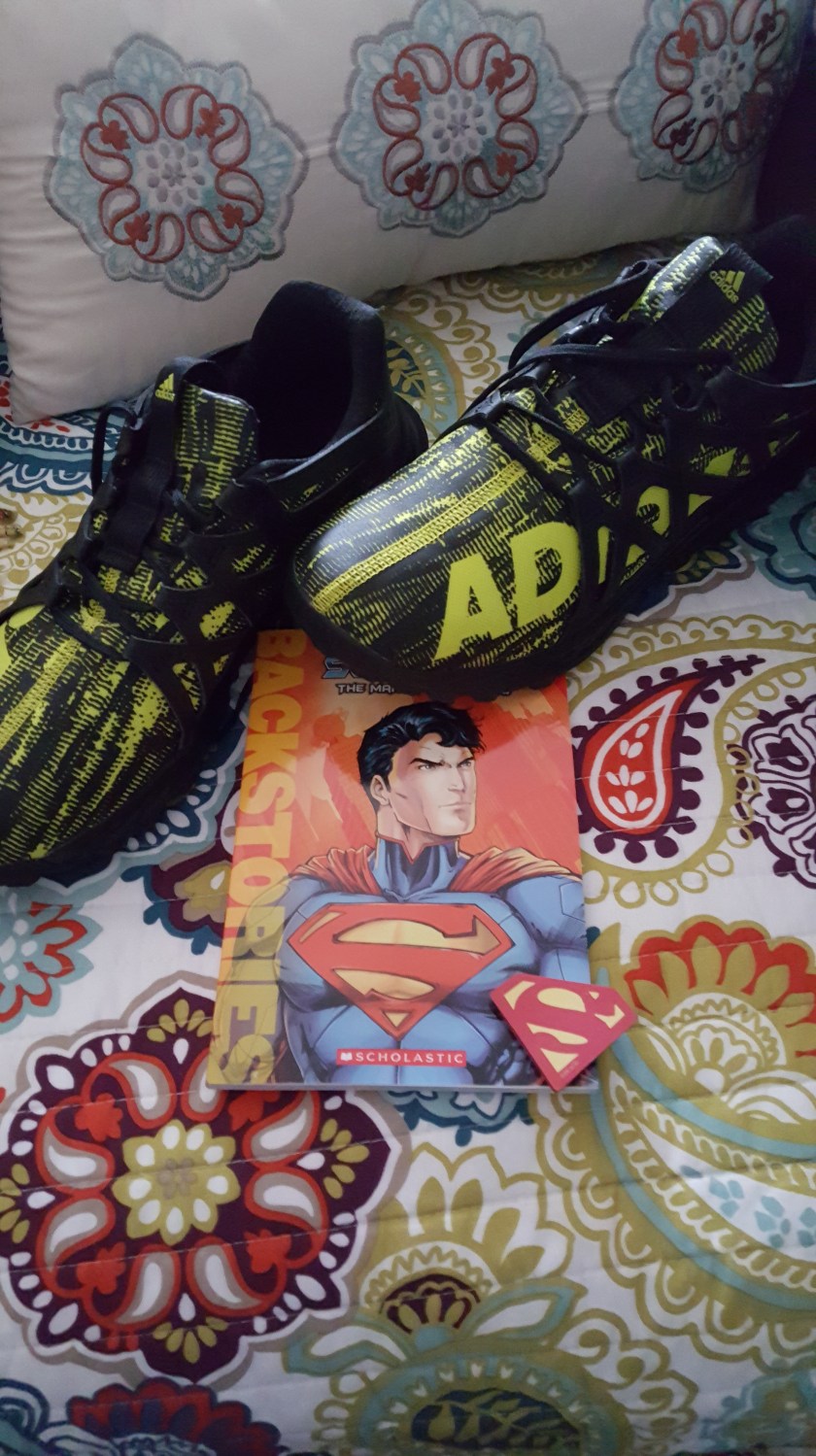

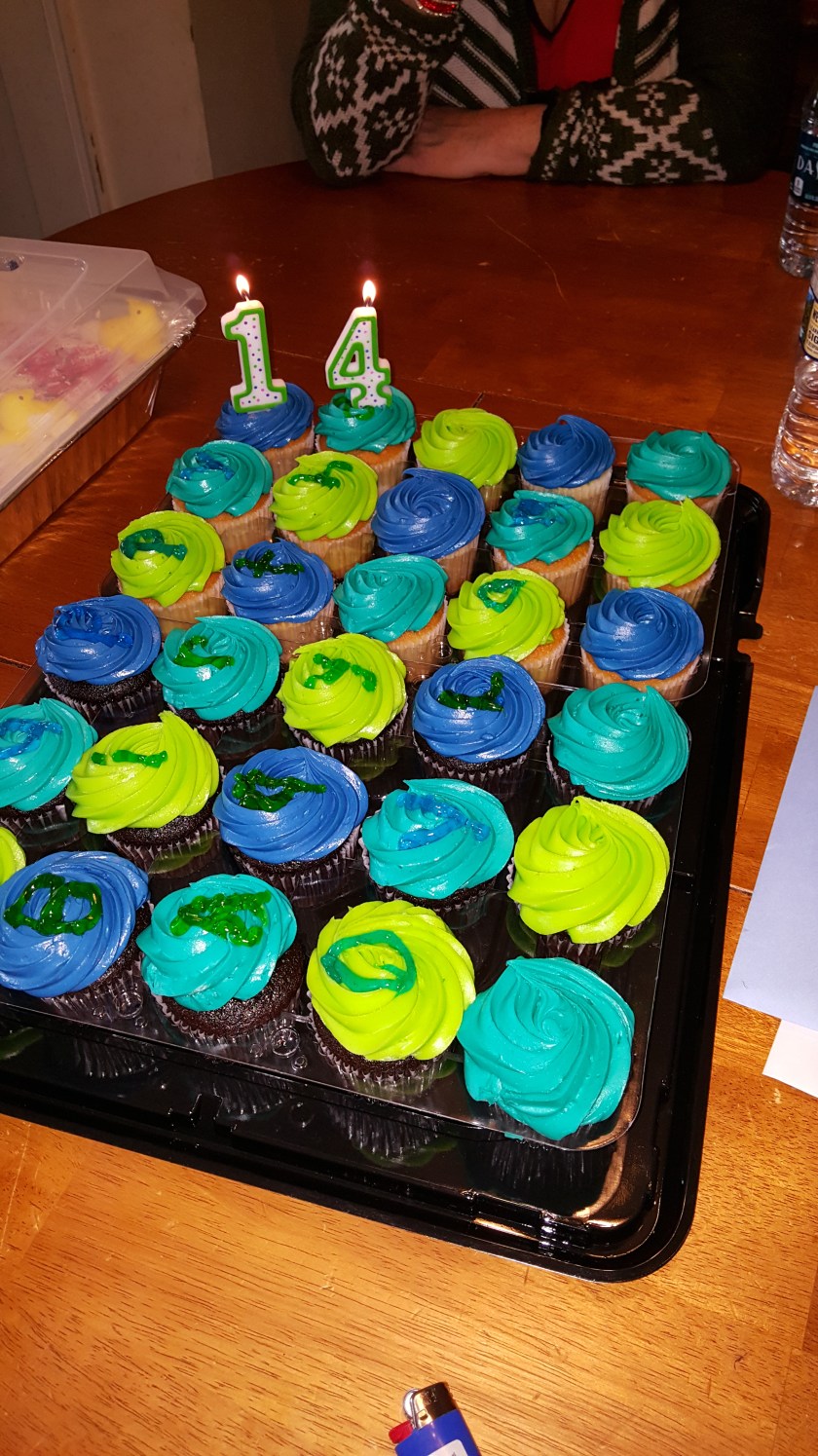
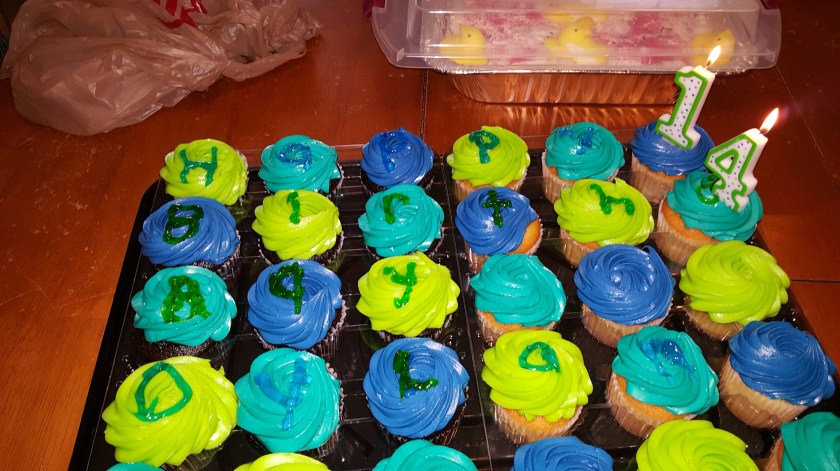
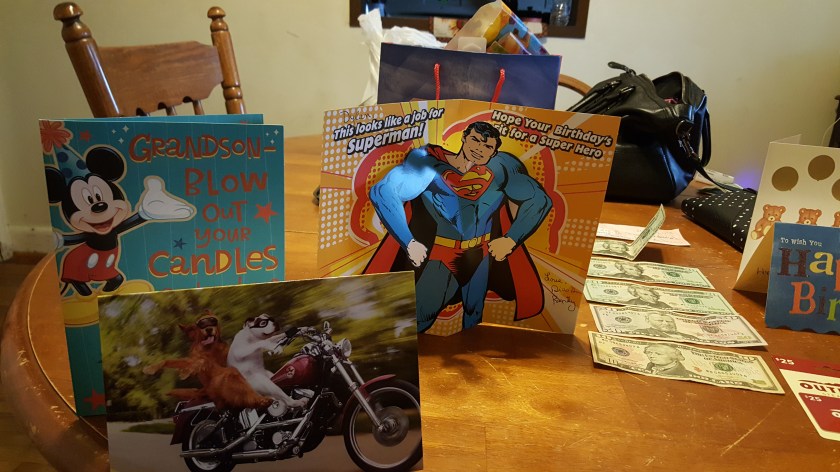

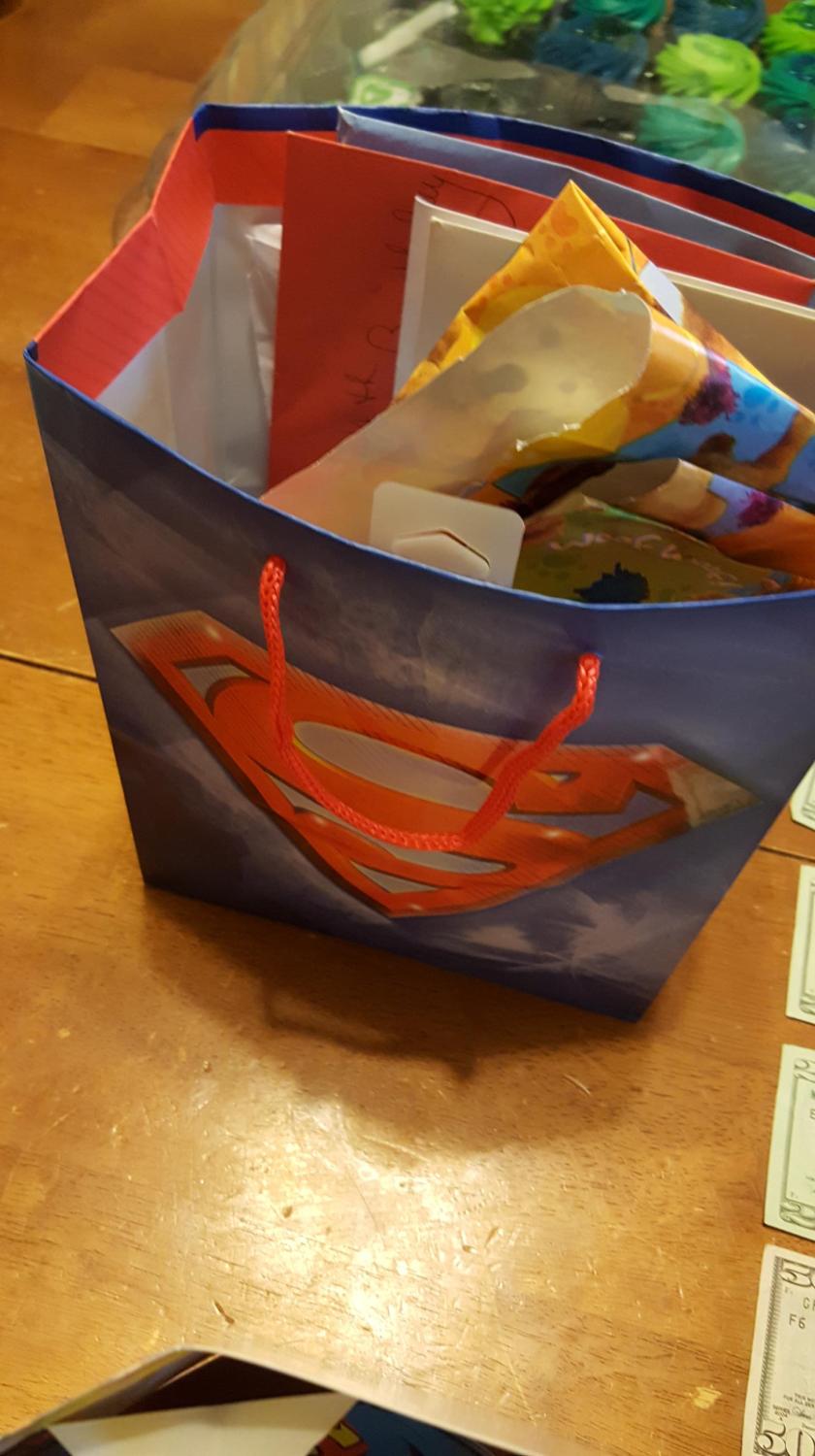
We went to family bowling night about two weeks ago. Dylan was not really in the mood for it. We stayed and played one game of bowling. Dylan had a bowel movement so my husband took him out to the car to change him. We had already put in for the raffles so we waited for the drawings and we won a bowling party.

I really like this picture Dylan did a great job on it. This is something Dylan probably will never do. Who knows maybe one day! ❤
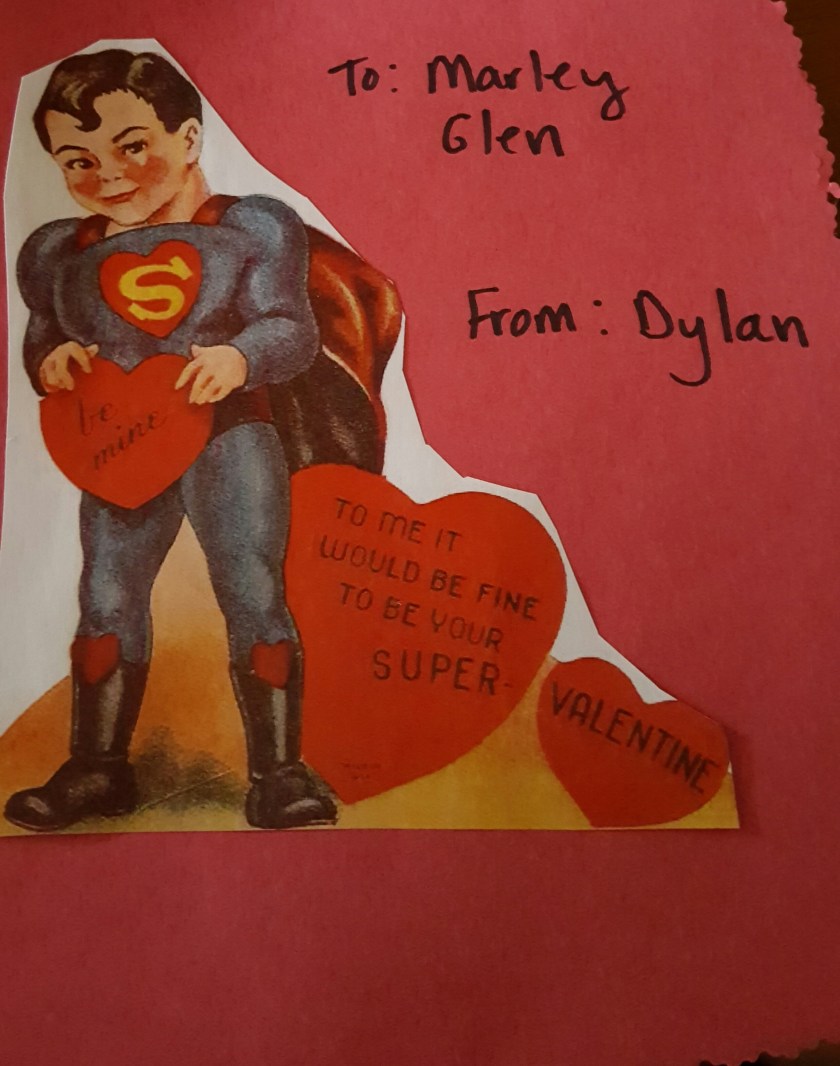
Dylan made this at school yesterday. I will try to get a picture of him in it and post it later.
After the dentist appointment, we took Dylan to lunch at Arby’s. He was waiting for a drink but I guess we took too long for him so he decided to get a drink himself.
Epilepsy Facts
|
| Interesting Epilepsy Facts: |
|---|
| Epilepsy can affect people of all ages and is the 4th most common neurological disorder, or ‘seizure disorder’. |
| Epilepsy is most well-known because of the seizures it causes, but it can cause other health issues as well. |
| In many cases, it is the public perception of epilepsy that causes more challenges to those affected than the disorder itself. |
| Epilepsy is considered chronic, and those with the disorder often experience other neurological disorders as well. |
| The human brain is the source of an individual’s epilepsy. The electrical events that cause the seizures occur in the brain. |
| In some cases, seizures can occur from extremely low blood sugar, or alcohol withdrawal in someone who is an alcoholic. These seizures are usually part of a reversible medical condition and do not result in chronic epilepsy. |
| One of the great myths of epilepsy is that someone having a seizure will swallow their tongue. This is not possible. It is never advisable to stick something in someone’s mouth when they are having a seizure as this can result in broken teeth or even their jaw. |
| When someone has a seizure the best thing to do is roll them on their side, protect their head from injury by supporting it, and ensure they are breathing. |
| Epilepsy can begin at any age, from childhood to those over the age of 65. |
| Epilepsy is not a contagious disorder. |
| Once diagnosed with epilepsy some people are no longer able to drive or perform certain tasks because it may put their safety or others’ safety at risk if they have a seizure. |
| Although there is medication to help reduce the incidence of seizures, it is not a curable disorder. Sometimes it resolves but not due to a cure. |
| Despite medication and other treatments, there are an estimated 1 million people in the U.S. that suffer from uncontrolled epilepsy. |
| Although epilepsy is not commonly fatal, some people do die from the disorder. In many cases, it is the result of SUDEP (Sudden Unexpected Death in Epilepsy). |
| It is estimated that one in every one thousand people with epilepsy dies each from the disorder each year. |
| It is also possible to die from prolonged seizures, referred to as status epilepticus. |
| Following a seizure, the person may be disoriented or have trouble resuming their previous activity. It can take time for the body and mind to recover. |
 thetruesuperman